Research
Transposon-driven regulatory evolution
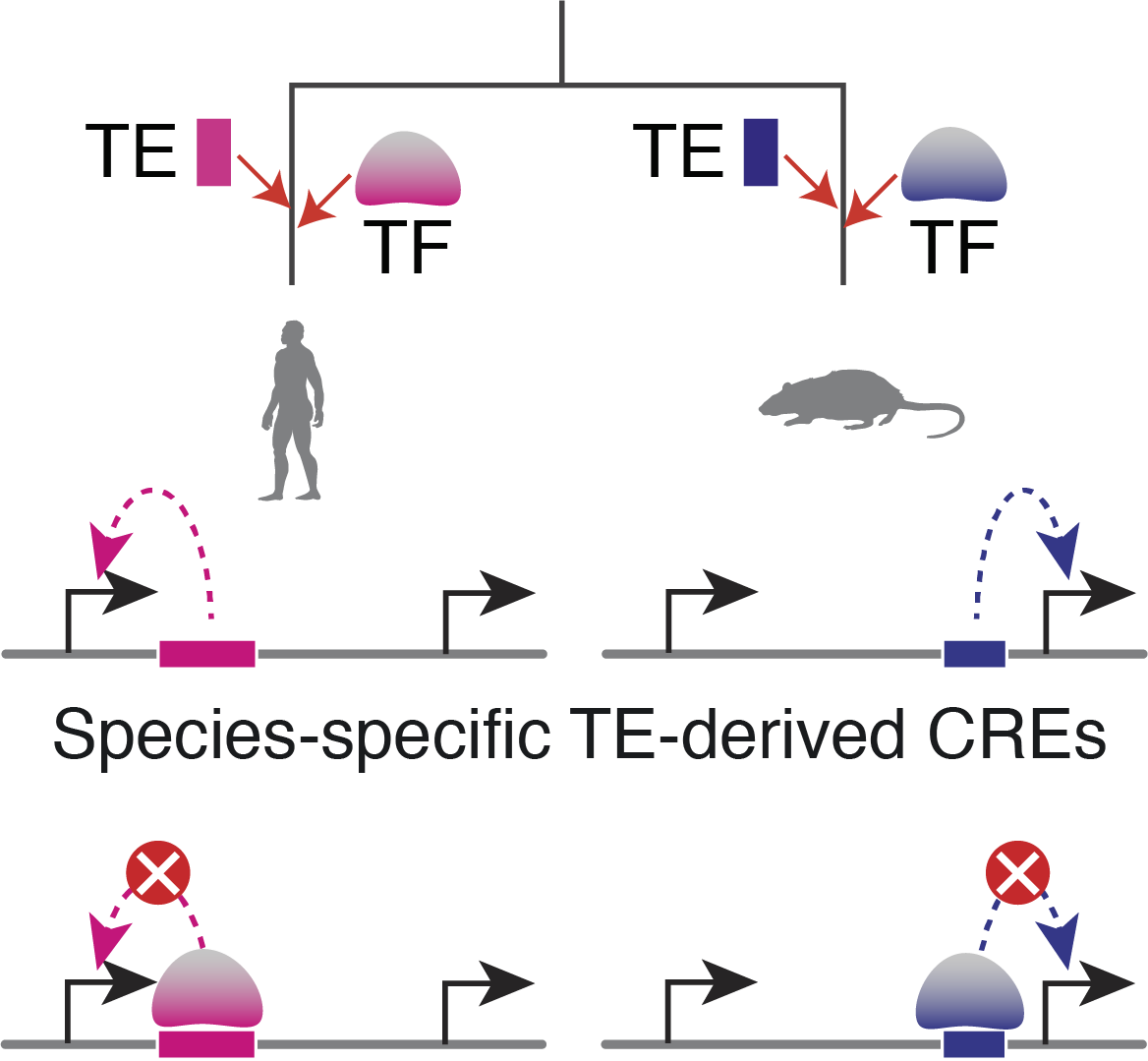
Many regulatory elements are derived from transposable elements (TEs), genetic elements that can insert copies of themselves throughout the host genome (Matsushima et al. 2024). Since lineage-restricted TEs have often been co-opted as regulatory elements, they are key drivers of regulatory evolution.
By focusing on the transcription factors (TFs) that control these lineage-specific TE-derived elements, we will reveal how TE–TF pairs shape new regulatory programmes specific to particular lineages or species.
Non-canonical chromatin repression
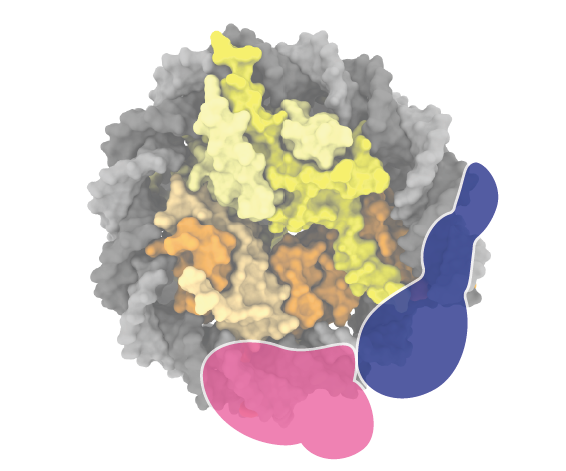
We have identified SCAN domain-containing zinc-finger proteins (SZFPs) as a new class of TE “domesticators” (Matsushima et al. 2026). SZFPs have adaptively altered their DNA recognition specificity to bind newly emerging TEs. SZFP-bound TEs are occupied by nucleosomes, making them inaccessible even to potent pioneer factors such as SOX2 and OCT4. However, known repressive chromatin marks are not strongly enriched around SZFP binding sites.
Combining functional genetics with biochemical approaches, we will uncover how this rapidly evolving TF family achieves such non-canonical chromatin repression.
Rapidly evolving transcription factors
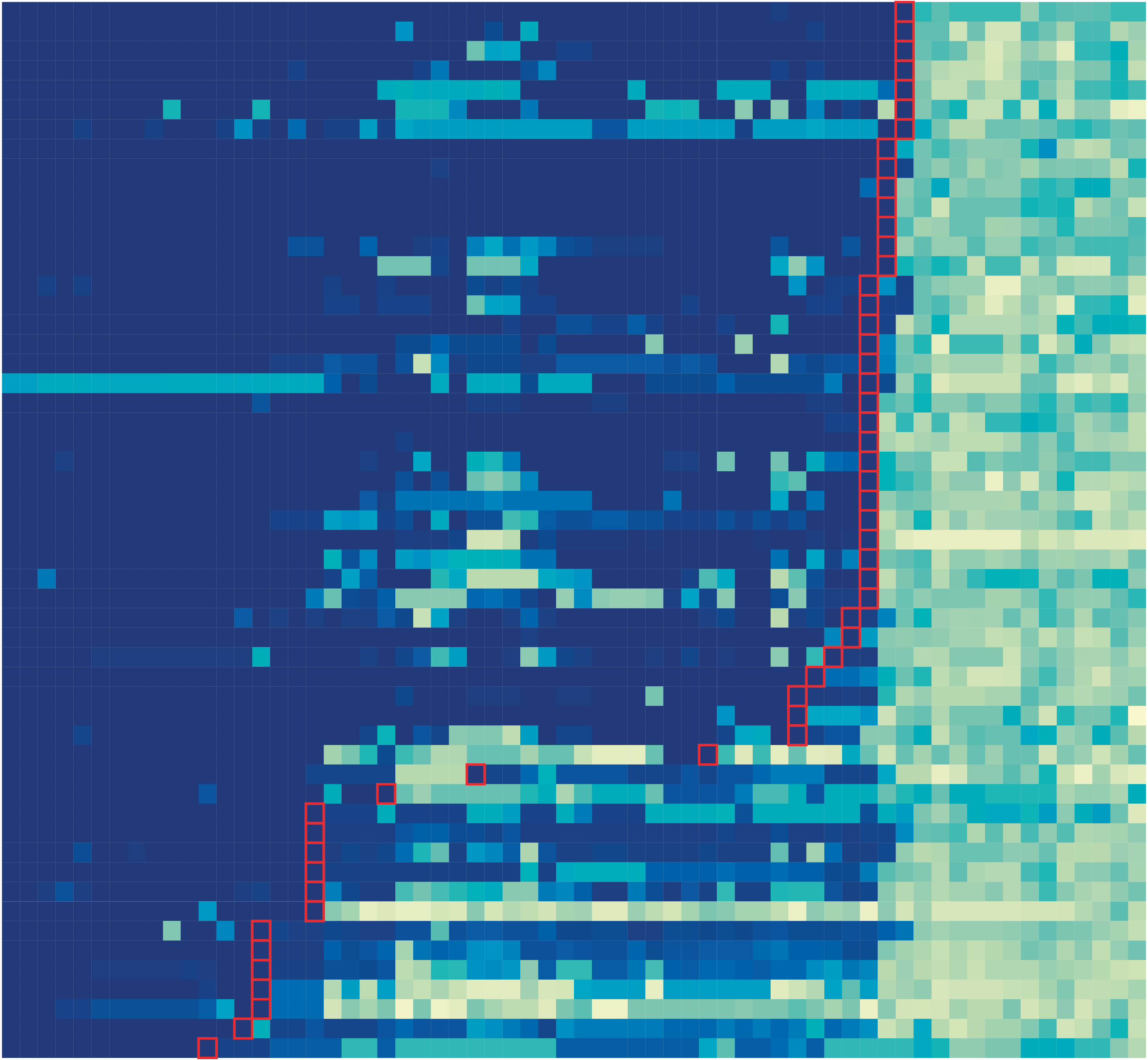
SZFPs and related KRAB domain-containing zinc-finger proteins (KZFPs) evolve rapidly to recognise newly emerging genetic elements (Matsushima et al. 2026). These trans-acting factors might have enabled the emergence and fixation of new genetic material. How widespread are such transcription factors?
We will tackle this question with comparative genomic analyses across vertebrates, aiming for a comprehensive understanding of gene regulatory evolution.